
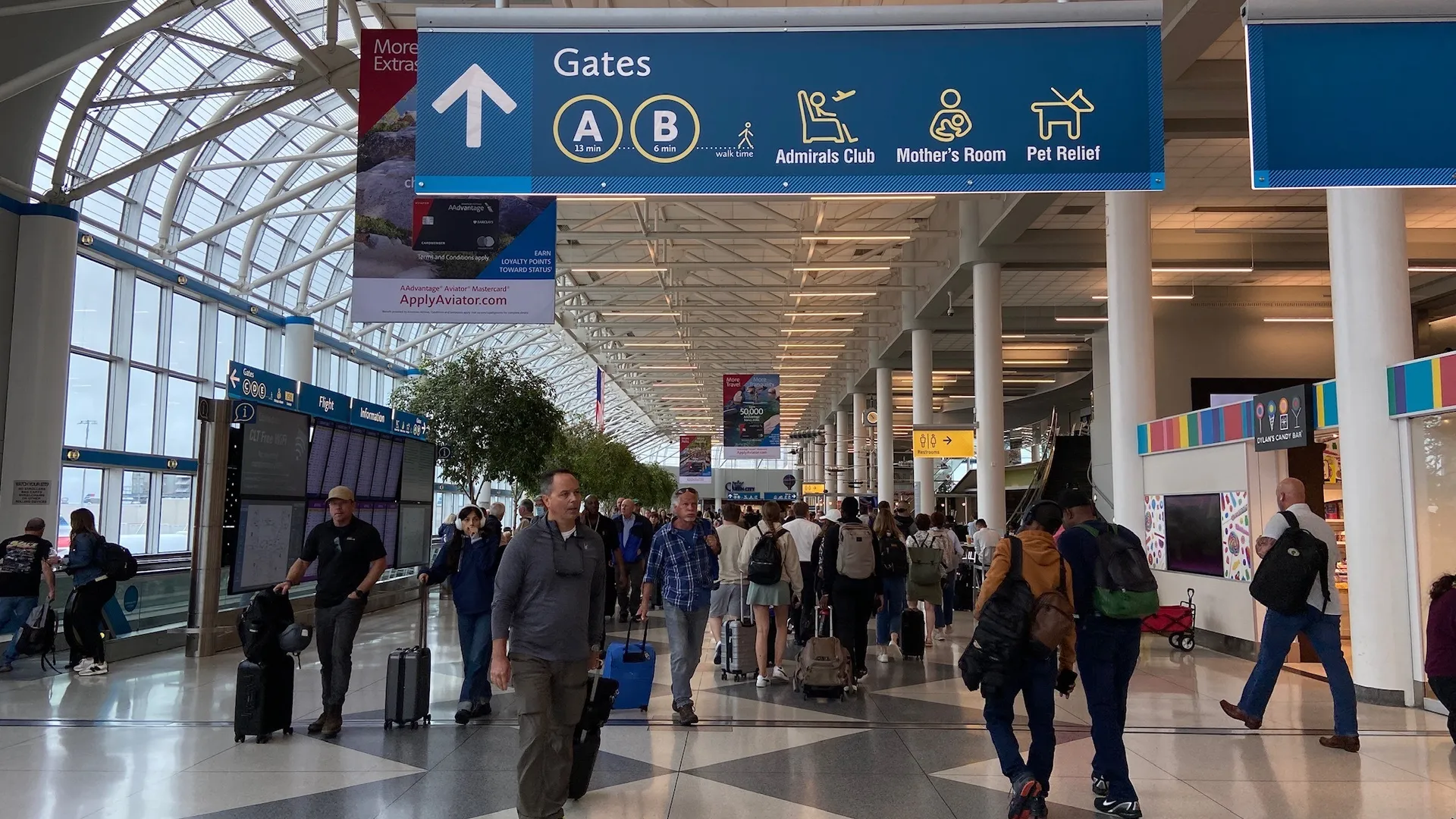
The U.S. is pretty unique is that almost all of air travel is managed by the government. Our airports are almost all owned by local governments. Unlike much of Europe, airport security isn’t just regulated by the government, screening is actually performed by the government at most airports.
The federal government directly provides air traffic control, unlike in places such as Canada and the U.K. And in the process the government provides pretty significant subsidies to U.S. airlines but often provides poor service.
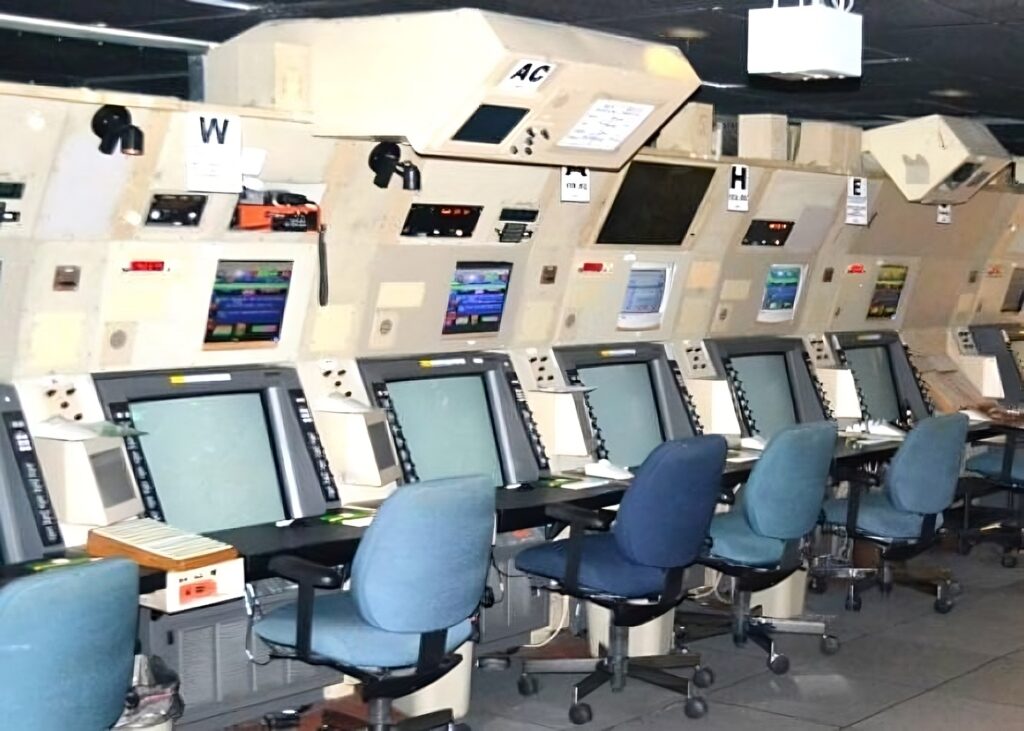
It would actually be much better if the TSA wasn’t its own regulator, and if the FAA didn’t regulate its own air traffic control service. That’s the recipe that gives us poor accountability. If you don’t like privatization, at a minimum split up regulation and service provision into different agencies. That doesn’t get you all the way there, but it would be better than what we’ve got.
Airports, though, should be privatized. Municipalities own assets that in some cases are worth several billion dollars on net. But the money is locked up tight and can’t go to provide services, reduce debt, and shore up finances (including retirement obligation time bombs).
- Since airports get federal grants, the federal governments require that all airport money stay in the airport. It can’t help support the local communities that own the airports.
- But airports can be privatized, with the sale (or long-term lease, versus short-term concession) revenue going to the municipality. And the private company that takes it over is allowed to earn a specified rate of return.
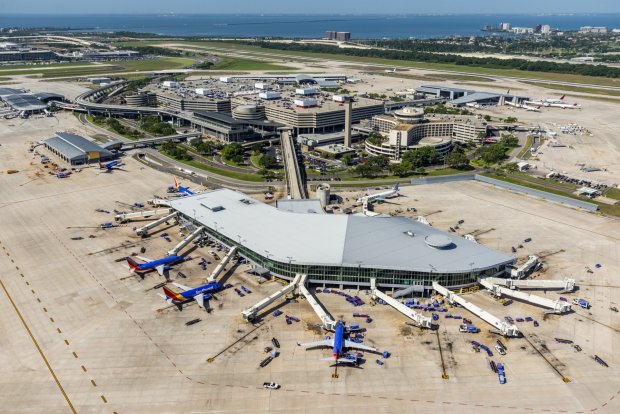
A 2021 study found that over $130 billion was locked up in just 31 airports. Taxpayers have these huge assets they don’t benefit from owning, but it doesn’t have to be that way.
- Chicago O’Hare is worth $7 – 10 billion
- Phoenix Airport is worth $3 – $4.5 billion
- LAX is worth $12 – 18 billion
- Dallas – Fort Worth is worth $8 – 12 billion
Read More: American Airline