
DHAKA— Biman Bangladesh Airlines (BG) has decided to purchase 14 aircraft from Boeing, ending a long competition with Airbus in its fleet modernization efforts. The state-owned airline’s board approved the move at its annual general meeting, prioritizing operational expansion and future demand.
Dhaka, the capital city and aviation hub, will see Biman’s network strengthening through the phased induction of new aircraft. This decisive shift aligns with national goals to enhance global connectivity and support growing passenger and cargo traffic.
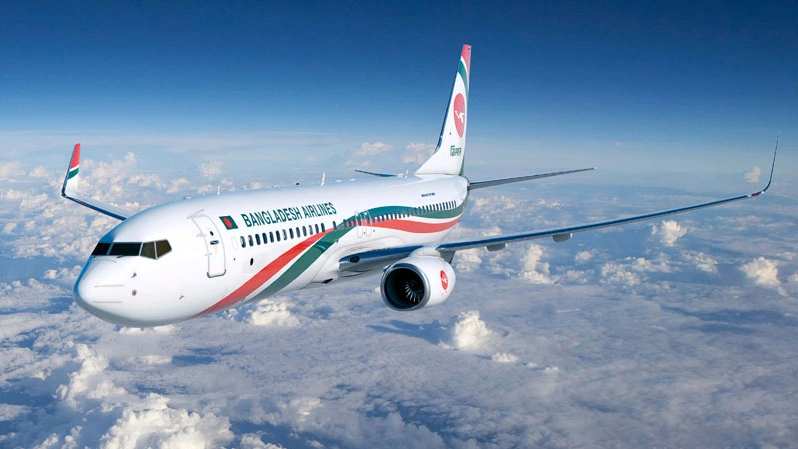
Biman Bangladesh Eyes New Boeing Order
The board’s decision follows earlier government discussions about procuring aircraft from the U.S. aerospace manufacturer. The final agreement will be confirmed after price negotiations and satisfaction of financial and technical conditions set by Biman’s techno-finance committee.
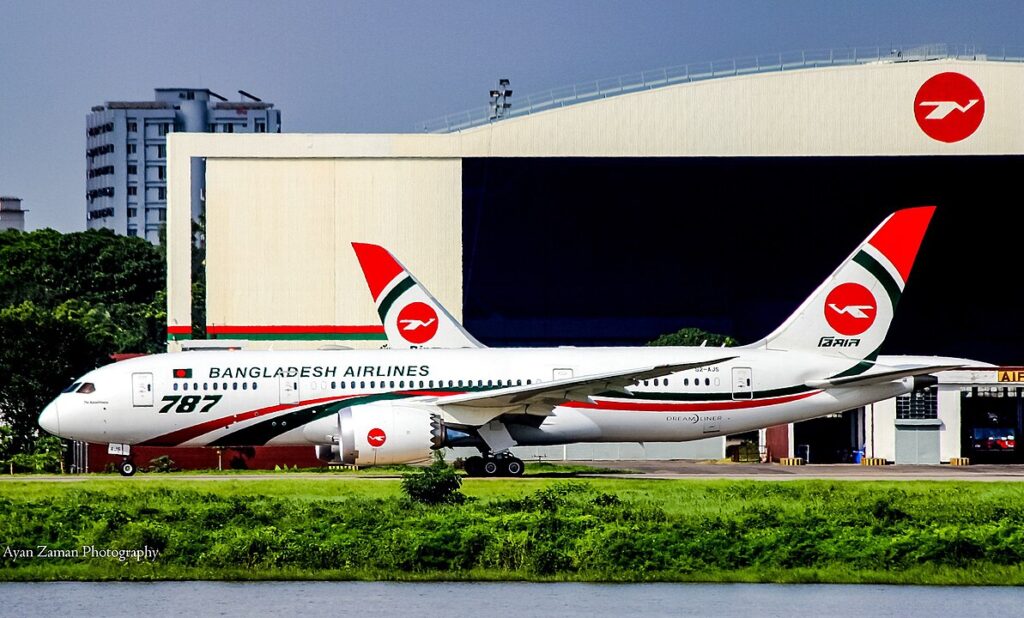
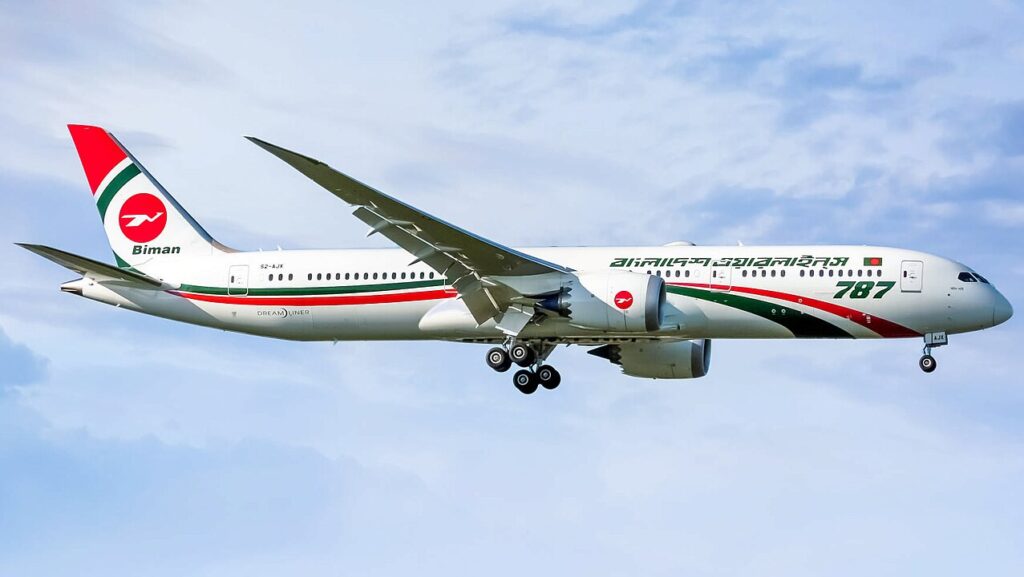
Biman’s board approved a diverse Boeing order including eight Boeing 787‑10 Dreamliners, two Boeing 787‑9 Dreamliners, and four Boeing 737‑8 MAX jets.
The mix of widebody and narrowbody aircraft reflects a strategy to balance long‑haul and regional operations. Widebody Dreamliners will support Biman’s international routes, while 737 MAX aircraft will strengthen its short‑to‑medium haul network.
Representatives said negotiations on price and delivery schedules will begin immediately after approvals. The airline expects that final contract signing and subsequent deliveries will occur in stages over the coming years.
Board members highlighted that the selected Boeing fleet offers fuel efficiency and modern technology, which help reduce operating costs while meeting future demand. They also noted that the aircraft types align with the airline’s long‑term growth roadmap.
Airbus and Diplomatic Interest
Airbus had actively pursued Biman’s order with offerings that company officials described as flexible and competitive.
European diplomats from France, Germany, and the United Kingdom publicly expressed support for Airbus proposals last year, underscoring the environmental performance and operational benefits of Airbus aircraft.
Despite these efforts, Biman’s board opted for Boeing, effectively ruling out Airbus’s bid in the current procurement cycle. Officials said the decision was shaped by technical committee recommendations and broader strategic considerations.
Sources at the meeting confirmed that Airbus’s proposal was evaluated in detail before the final approval.
Airbus representatives had argued that including Airbus aircraft could enhance fleet resilience and flexibility.
They emphasized modern, environmentally friendly designs and the benefits of a mixed fleet. However, Biman’s leadership favored a single OEM approach at this stage to streamline training, maintenance, and logistics.
Delivery and Expansion Plans
Once the final contract is concluded, Biman will begin receiving aircraft in a phased manner. The airline intends to use the new fleet to expand its international footprint and improve connectivity to key global destinations.
Enhanced cargo capabilities are also expected, supporting both export and import flows through Bangladesh.
Officials said the induction of modern aircraft is critical to meeting shifting travel patterns and competitive pressures. With global aviation demand rebounding, Biman anticipates that a refreshed fleet will enable it to capture new traffic and improve service offerings.
The addition of Boeing aircraft may also facilitate partnerships and codeshare agreements with other carriers, creating broader network linkages.
Biman hopes that improved aircraft performance and reliability will elevate its competitive positioning in South and Southeast Asia.
Bottom Line
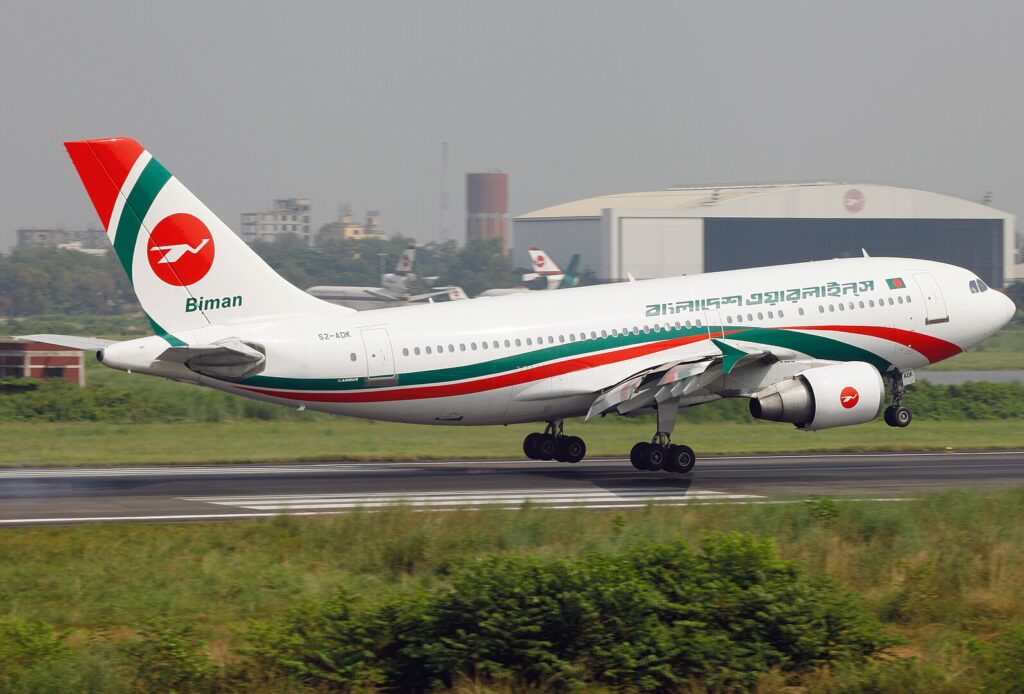
Biman Bangladesh Airlines’ decision to select Boeing aircraft over Airbus represents a strategic milestone in its fleet renewal program.
The approved order of 14 Boeing jets underscores a clear direction for growth and modernization.
While Airbus made a strong case, Biman’s leadership prioritized a unified fleet approach to support future operational demands efficiently.
Source: aviationa2z.com