
India’s largest airline is preparing to launch direct flights between India and Greece in January 2026, using the advanced Airbus A321XLR aircraft to link Delhi and Mumbai with Athens. The move comes as part of a wider international expansion strategy aimed at meeting rising demand for seamless India–Europe travel, boosting tourism, trade, and cultural exchange while offering travelers faster, more convenient connections without stopovers.
India’s First Airbus A321XLR Flights to Greece Announced for 2026
India is preparing to introduce its first Airbus A321XLR flights, with direct connections planned between Delhi, Mumbai, and Athens beginning in January 2026. The service will include six weekly non-stop flights, equally divided between the two Indian cities, making it the only direct air link offered by an Indian airline between India and Greece. This launch highlights a significant milestone in India’s growing role in global aviation and marks a major expansion into Europe.
Expansion with Next-Generation Aircraft
The Airbus A321XLR (Extra Long Range) represents the newest addition to India’s aviation fleet. The aircraft, scheduled for delivery by the end of this year, is specifically designed for longer routes, with a range of up to 8,700 kilometers. This capability enables airlines to explore destinations that previously required larger wide-body aircraft, while maintaining the cost advantages of operating single-aisle planes.
The upcoming flights to Athens will mark the debut of this model in India’s commercial aviation, demonstrating how the A321XLR’s advanced design can bridge markets separated by long distances without sacrificing efficiency. The aircraft will offer two seating options: a standard economy class and a premium economy-like product known as “Stretch,” which provides travelers with additional legroom and a more comfortable in-flight experience.
Strengthening India–Europe Connectivity
The decision to begin flights to Greece reflects the robust growth of the India–Europe travel corridor. In recent years, tourism, business, and cultural exchange have all driven a sharp rise in demand for direct air connections. India’s outbound market has consistently expanded, making Europe one of its most attractive destinations.
Greece, with its deep historical roots, thriving tourism sector, and growing trade links, stands as an appealing gateway. Direct flights to Athens are expected to open up faster and more convenient access not only to mainland Greece but also to its renowned island destinations such as Santorini, Mykonos, and Crete. From Athens, travelers can also connect to numerous European cities, further increasing the strategic value of the new route.
Supporting Tourism and Specialized Travel
This new service is designed to do more than cater to leisure travelers. It is also expected to support the MICE (Meetings, Incentives, Conferences, and Exhibitions) segment as well as wedding tourism. Greece has emerged as a popular destination for weddings and special events, and direct flights from India are anticipated to make planning and travel smoother for groups. Business travelers will also benefit from the more efficient connectivity, which reduces both travel time and the need for multiple transfers.
By adding Athens to its international network, the airline expands its presence in Europe while diversifying beyond traditional routes to the Middle East and Southeast Asia. This strategic shift is likely to boost demand across different categories of travelers, from holidaymakers to professionals.
A Market Positioned for Growth
The launch comes at a time when the India–Europe aviation market is witnessing notable momentum. The growth is driven not only by the expanding middle class and increasing disposable incomes in India but also by Europe’s efforts to strengthen business and tourism ties with Asian economies. Direct flights play a crucial role in enhancing connectivity, reducing travel barriers, and fostering stronger bilateral relationships.
For India, the move also underscores its ambition to create a global aviation hub that competes with established players in the region. By introducing state-of-the-art aircraft and targeting emerging routes, the Indian aviation sector is positioning itself to capture a larger share of international traffic.
Current Operations and Fleet
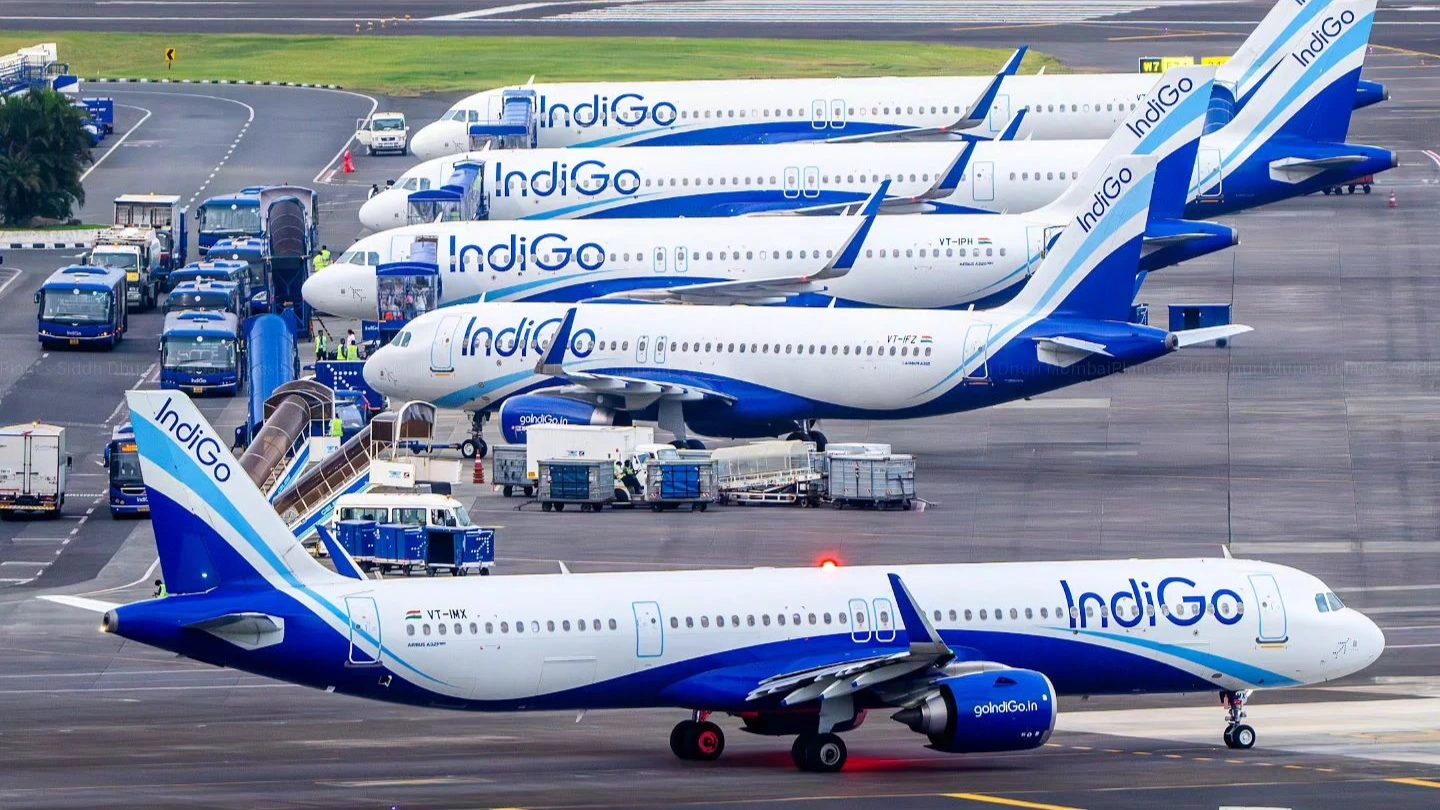
India’s largest carrier currently operates over 2,200 flights each day, linking more than 90 domestic and 40 international destinations. The introduction of Athens expands this reach further into Europe, complementing existing connections to other regions.
As of mid-September 2025, the airline’s fleet numbered 400 aircraft, of which 349 were in active service and 51 were temporarily grounded, according to data from independent aviation trackers. The addition of the A321XLR will enhance operational flexibility by enabling medium to long-haul flights without requiring the higher costs of wide-body aircraft. This approach supports the airline’s strategy of maintaining affordability while reaching new international markets.
The introduction of the A321XLR on the India–Greece route is more than just a new flight option—it represents a forward-looking strategy aimed at reshaping the way Indian airlines participate in international travel. By leveraging aircraft that balance efficiency with extended range, Indian carriers are able to compete more aggressively on routes previously dominated by foreign airlines.
For passengers, the benefits are clear: greater convenience, more direct connections, and increased access to destinations across Europe. For the aviation sector, the move demonstrates adaptability and innovation in responding to global travel trends.
As 2026 approaches, the launch of non-stop flights between India and Athens will symbolize a new chapter in international connectivity. It will highlight India’s growing presence on the global aviation map and pave the way for more ambitious expansions into Europe and beyond.
Credits: IndiGo Airline