
American Airlines and Delta Air Lines have suspended or grounded several pilots and employees for social media posts praising threats against or celebrating the death of conservative activist Charlie Kirk.
Kirk was killed on September 10, 2025, at Utah Valley University, sparking widespread outrage and prompting companies to scrutinize their employees’ online behavior.
This article explores the airlines’ actions, the broader context, and the implications for workplace policies.
Airlines Take Decisive Action
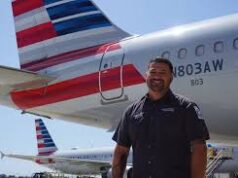
American Airlines acted quickly, grounding multiple pilots after users flagged social media posts that mocked or celebrated Kirk’s death.
One reported post described the assassination as “the cost of our liberty,” prompting public backlash.
The airline issued a statement condemning the behavior, emphasizing that employees promoting violence or hate face removal and disciplinary action.
Transportation Secretary Sean Duffy praised the move on X, calling the posts “disgusting” and urging full termination. American’s response aligns with its social media policy, which requires professionalism and respect, even in personal posts.
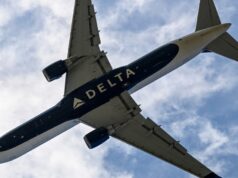
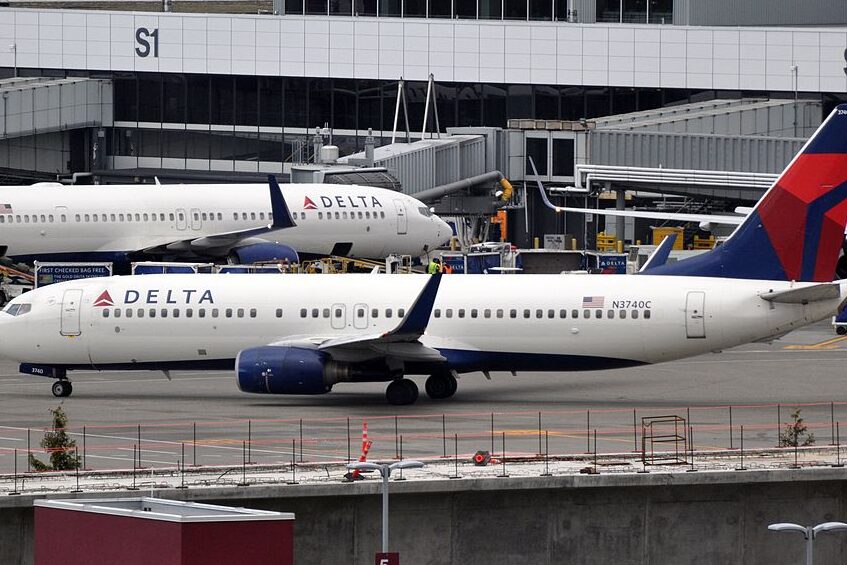
Similarly, Delta Air Lines suspended an undisclosed number of employees, including pilots, pending investigations into posts that violated its guidelines.
CEO Ed Bastian addressed the issue in a company wide memo, stating that the content “went well beyond healthy, respectful debate” and contradicted Delta’s values of “integrity, care, and servant leadership.”
The airline’s policy holds employees accountable for online conduct, with potential consequences including termination.
The involvement of unions like the Air Line Pilots Association (ALPA) may complicate matters, as Delta’s pilot workforce reportedly leans conservative.
A Broader Trend
The airlines’ actions reflect a broader wave of disciplinary measures across industries. At least 15 individuals, from educators to retail workers, have faced firings or leaves for similar posts celebrating Kirk’s death.
Companies like United Airlines have issued pre-emptive memos reinforcing social media policies to prevent similar incidents.
The controversy highlights the power of social media platforms, where users quickly identify and expose problematic posts, often linking them to employers through uniform photos or bios.
Workplace Policies and Free Speech
These incidents raise questions about the balance between free speech and workplace accountability.
Both American and Delta have clear policies prohibiting content that promotes violence or hate, even on personal accounts.
Employees, especially those in high-visibility roles like pilots, are expected to uphold company values online. However, some argue that such policies infringe on personal expression, particularly when posts are made outside work hours.
The conservative leanings of many pilots may also fuel tensions, especially if unions challenge the suspensions.
Implications for the Future
The fallout from these suspensions underscores the growing scrutiny of social media in professional settings. As public figures like Kirk become lightning rods for controversy, companies face pressure to act decisively when employees’ posts cross ethical lines.
The airlines’ responses may set a precedent for how industries handle similar incidents, particularly in politically charged climates.
For now, the situation remains fluid, with more suspensions possible as additional posts surface. As social media continues to blur the lines between personal and professional life, employees.