

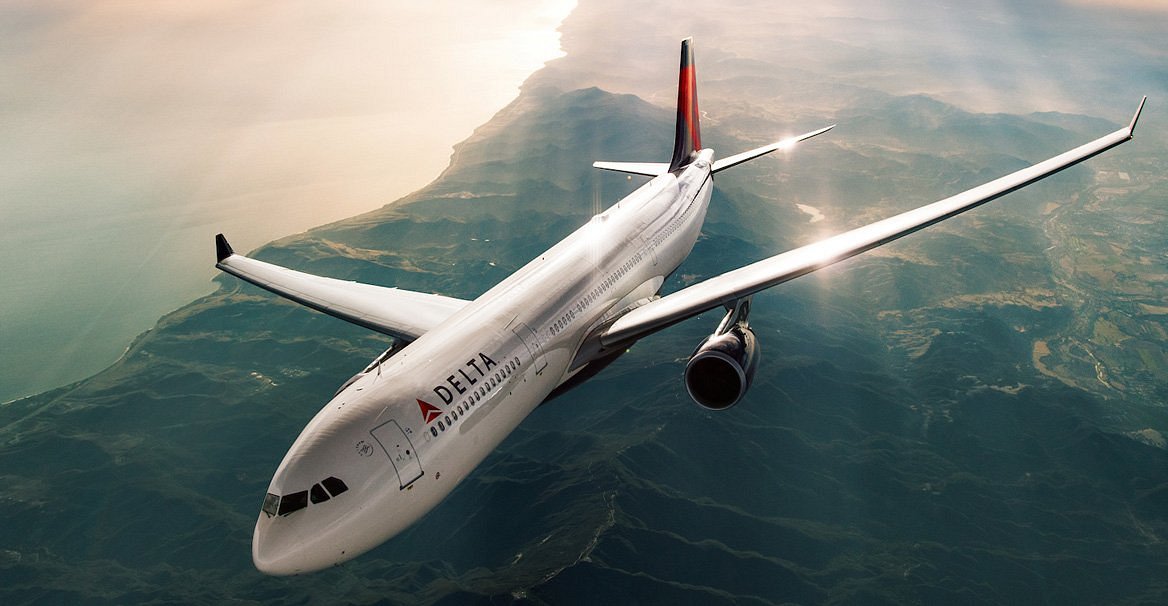
We analyze the impact that this decision will have on the air travel market outside of London Gatwick and discuss the reasons why the carrier chose to withdraw from this market. This route highlights additional capacity that Delta originally wanted to funnel onto its routes to London, with Gatwick being particularly useful for certain travel demographics. We see the decision to exit this market as broadly representative of overall industry trends, but with some specific factors influencing this decision uniquely. The most high-profile of these factors is that transportation access to and from Heathrow has improved in recent years, diminishing the value of serving Gatwick.
What Happened With Delta Air Lines And Its Gatwick Operations?
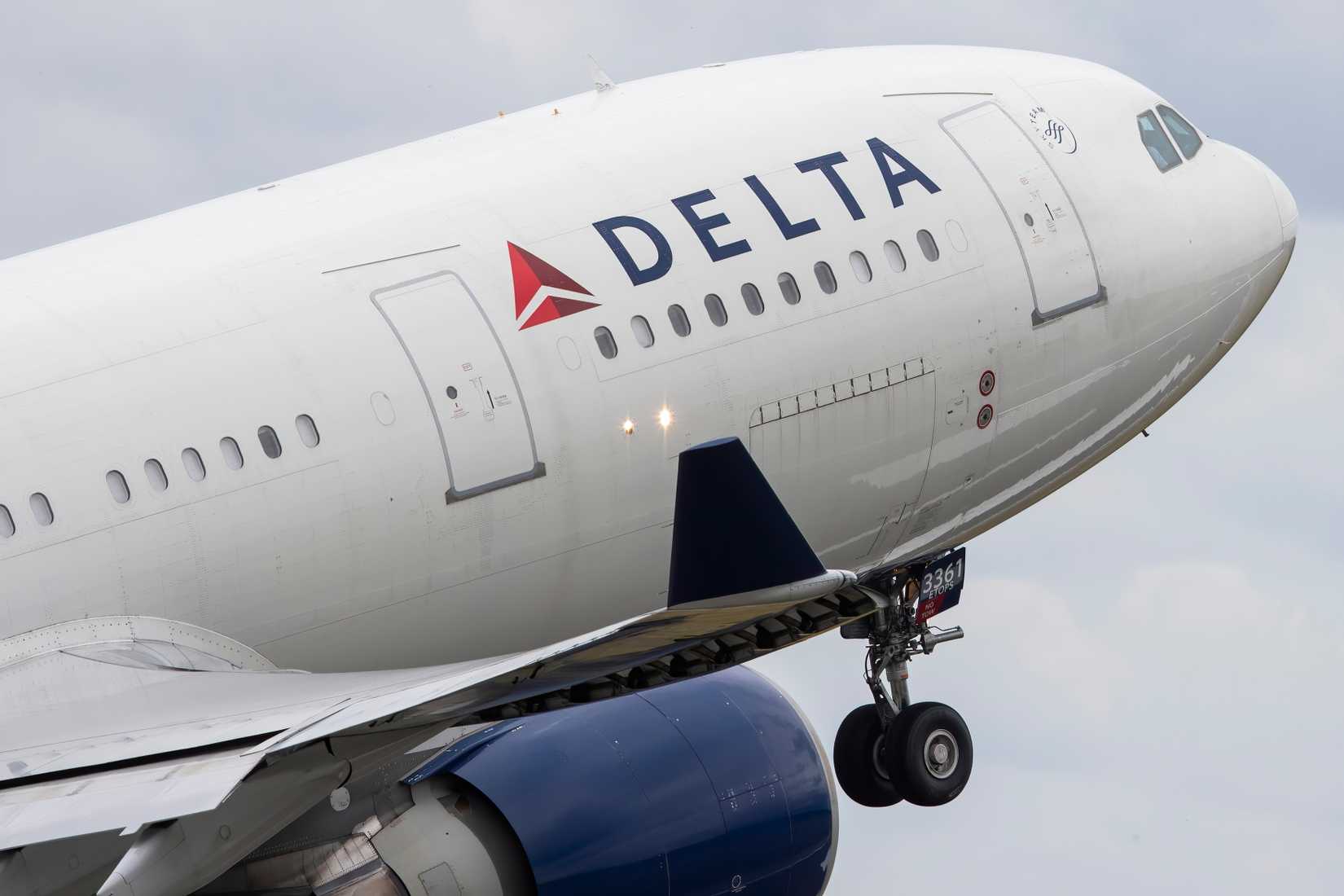
Delta (alongside British Airways at roughly the same time) chose to withdraw from this unique route between London Gatwick and New York-JFK, highlighting a broader trend of shifting airline strategies and market realignment. As both carriers had previously operated this route seasonally, their departure now makes Norse Atlantic the exclusive operator on this corridor at any point in the year. This move is noteworthy, as it follows a 2023 suspension of the route, demonstrating that the airline at this time has a long-term intention not to return.
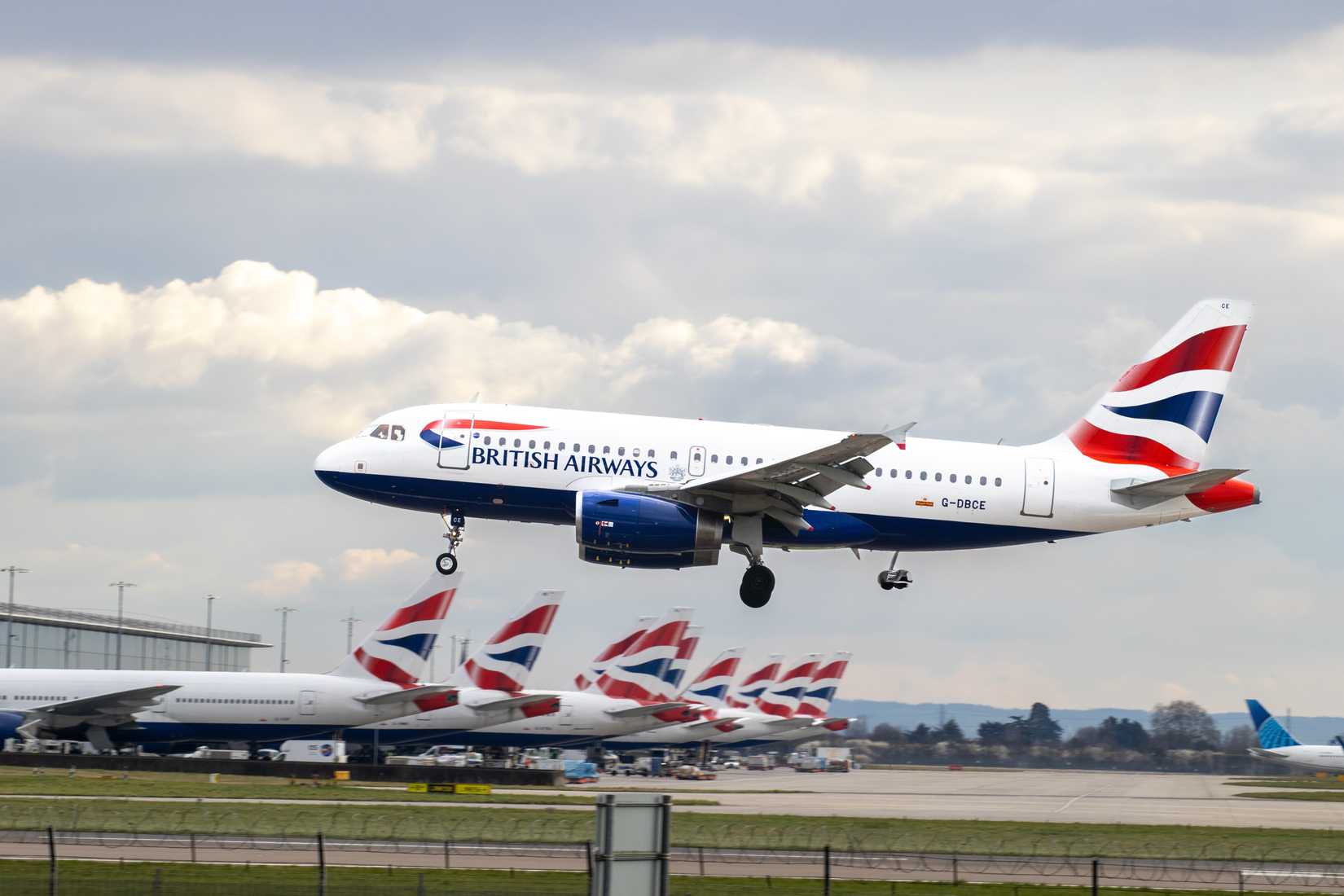
The airlines’ exits stem from extensive operational considerations, with British Airways mostly wanting to reallocate aircraft to higher-demand leisure destinations and focus on increasing capacity at its Heathrow hub. This shift of focus from Gatwick to Heathrow suggests a recalibration of what the airline believes are lucrative routes, especially as it already has nine daily flights to JFK. We also see Delta’s move here as part of a broader consolidation trend, with the airline looking to align its capacity more with the booking corridors that have the highest amounts of premium demand.
We also see these exits as reflective of a deeper market shift driven by declining demand for transatlantic flights between the United States and Europe, compounded by the ongoing effects of continued economic uncertainty. Carriers have noted that tighter border controls and changing European travel preferences also played a role in these decisions. European tourism to the United States has continued to decline, and this has likely impacted inbound demand. Thus, carriers have been pushed to trim the lowest-margin pieces of their international networks.
Declining Inbound Demand: What’s The Biggest Driver?
Additionally, we see a shift in geopolitical sentiment as the primary factor driving the decline in inbound tourist demand for flights from London Gatwick Airport to New York’s JFK Airport. As the decisions behind the particular operation or elimination of certain routes are mostly driven by profitability, it is important to look at the impact that inbound tourist demand would have on the potential for a company to generate revenue. Since costs on this route have remained largely unchanged, any shift in profitability will likely be related to the nature of demand on that specific corridor.
The declining political sentiment in Europe towards the United States has been a key factor in lowering airline load factors on routes typically carried by tourist traffic. The increased US involvement in the conflict in Ukraine, as well as increasingly hostile trade barriers put in place by Trump’s tariffs, have resulted in less interest in traveling to the United States, leading to margin contractions on these specific routes.
Here is a fact-based summary of the story contents:
Delta Air Lines ended its seasonal service from John F. Kennedy International Airport (JFK) to London Gatwick Airport (LGW) on September 7, 2025. As of now, the airline has no plans to return in 2026, which would make Norway’s Norse Atlantic Airways the only operator to fly this route following a decision by British Airways to also eliminate service to Gatwick. These airlines’ decision to exit this route reflects a broader reduction of capacity on transatlantic routes, with political, economic, and industry-specific factors leading to declining air travel demand between the United States and Europe.
We analyze the impact that this decision will have on the air travel market outside of London Gatwick and discuss the reasons why the carrier chose to withdraw from this market. This route highlights additional capacity that Delta originally wanted to funnel onto its routes to London, with Gatwick being particularly useful for certain travel demographics. We see the decision to exit this market as broadly representative of overall industry trends, but with some specific factors influencing this decision uniquely. The most high-profile of these factors is that transportation access to and from Heathrow has improved in recent years, diminishing the value of serving Gatwick.
What Happened With Delta Air Lines And Its Gatwick Operations?
Delta (alongside British Airways at roughly the same time) chose to withdraw from this unique route between London Gatwick and New York-JFK, highlighting a broader trend of shifting airline strategies and market realignment. As both carriers had previously operated this route seasonally, their departure now makes Norse Atlantic the exclusive operator on this corridor at any point in the year. This move is noteworthy, as it follows a 2023 suspension of the route, demonstrating that the airline at this time has a long-term intention not to return.
The airlines’ exits stem from extensive operational considerations, with British Airways mostly wanting to reallocate aircraft to higher-demand leisure destinations and focus on increasing capacity at its Heathrow hub. This shift of focus from Gatwick to Heathrow suggests a recalibration of what the airline believes are lucrative routes, especially as it already has nine daily flights to JFK. We also see Delta’s move here as part of a broader consolidation trend, with the airline looking to align its capacity more with the booking corridors that have the highest amounts of premium demand.
We also see these exits as reflective of a deeper market shift driven by declining demand for transatlantic flights between the United States and Europe, compounded by the ongoing effects of continued economic uncertainty. Carriers have noted that tighter border controls and changing European travel preferences also played a role in these decisions. European tourism to the United States has continued to decline, and this has likely impacted inbound demand. Thus, carriers have been pushed to trim the lowest-margin pieces of their international networks.
Declining Inbound Demand: What’s The Biggest Driver?
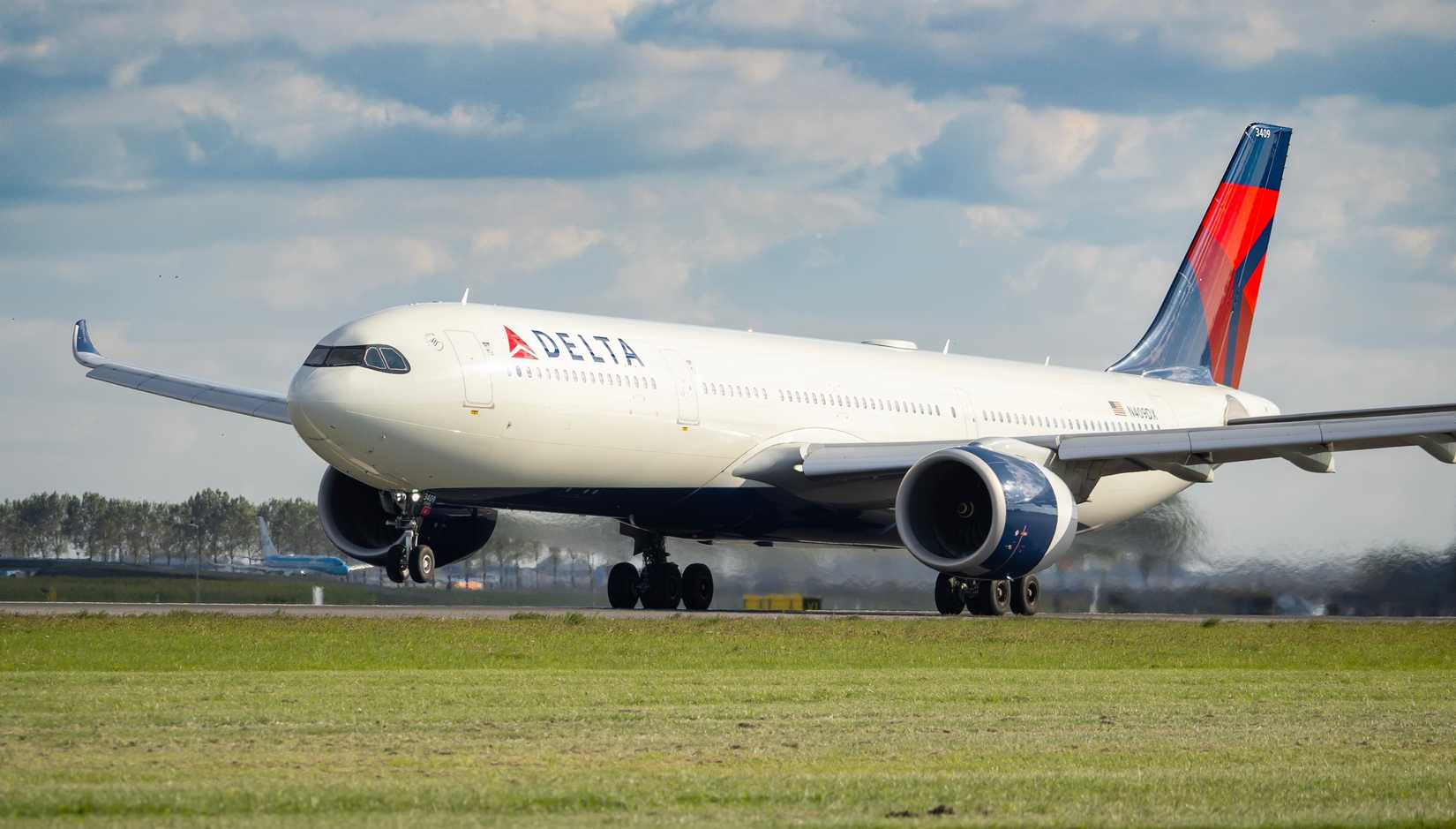
Additionally, we see a shift in geopolitical sentiment as the primary factor driving the decline in inbound tourist demand for flights from London Gatwick Airport to New York’s JFK Airport. As the decisions behind the particular operation or elimination of certain routes are mostly driven by profitability, it is important to look at the impact that inbound tourist demand would have on the potential for a company to generate revenue. Since costs on this route have remained largely unchanged, any shift in profitability will likely be related to the nature of demand on that specific corridor.
The declining political sentiment in Europe towards the United States has been a key factor in lowering airline load factors on routes typically carried by tourist traffic. The increased US involvement in the conflict in Ukraine, as well as increasingly hostile trade barriers put in place by Trump’s tariffs, have resulted in less interest in traveling to the United States, leading to margin contractions on these specific routes.
With geopolitical tensions running high, more and more European leisure travelers have decided to skip the United States for their summer vacations, the most relevant group of travelers for a seasonal route from New York to London. This mirrors travel demand trends that have been growing across the industry. For example, travel from Canada to the United States declined significantly over the past year.
Declining Outbound Demand: What’s The Biggest Driver?
We see a weak dollar as a principal catalyst limiting outbound tourist demand to the United Kingdom. Leisure travelers are typically budget-conscious, as they are typically looking for a destination that provides an enjoyable experience within their budget. If a trip rises significantly beyond the price travelers would like to pay, they will likely cut down on journeys to that specific destination.
This results in exactly what happened with travel demand between the United States and London. According to data from Goldman Sachs, the value of the US dollar declined significantly between January and June, and Pound Sterling valuations have remained mostly at these high levels throughout the summer. When a currency is relatively weaker, it makes purchasing anything in a foreign country considerably more expensive, forcing travelers to expand their budgets or reduce the quality of their vacations.
American travelers headed abroad this summer have avoided the United Kingdom more than they historically have, and a weak dollar is seen as a major catalyst behind these shifts in demand. This lower demand has contributed to why airlines like Delta have wanted to cancel these kinds of services. This specifically leaves a budget airline, one focused on low-cost flying, as the only player active in this unique market.
An Airport Poorly Suited For Business Travelers
Delta Air Lines has increasingly become a carrier focused on catering to premium demand that exists within the market. Premium demand is primarily driven by high-spending leisure travelers and business travelers, the two travel demographics most interested in paying a premium for an elevated inflight experience instead of simply booking an economy seat at the back of the plane. Each of these demographics has its own demands, and we do not see London Gatwick as the ideal airport in the London area to meet these needs.
We view London Heathrow as an airport more capable of serving the needs of high-spending leisure travelers thanks to its exceptional network connectivity and premium facilities. This airport is far more connected to other global hubs and major leisure destinations due to its wide variety of service offerings. If you want to connect comfortably and conveniently onwards from Heathrow to another destination, there will be a far greater variety of choice than at Heathrow. The airport also has a much weaker array of lounge options than its principal competitor.
We see London Heathrow as more capable of serving the needs of business travelers due to similar, but not identical factors. London Heathrow is one of the world’s largest and busiest airports, and it is one of the busiest globally for business travelers. There is a massive array of choices for passengers to and from this facility headed to destinations all across the globe. This facility is thus better known and better connected for those who travel on business.
Recent Changes In Airport Accessibility
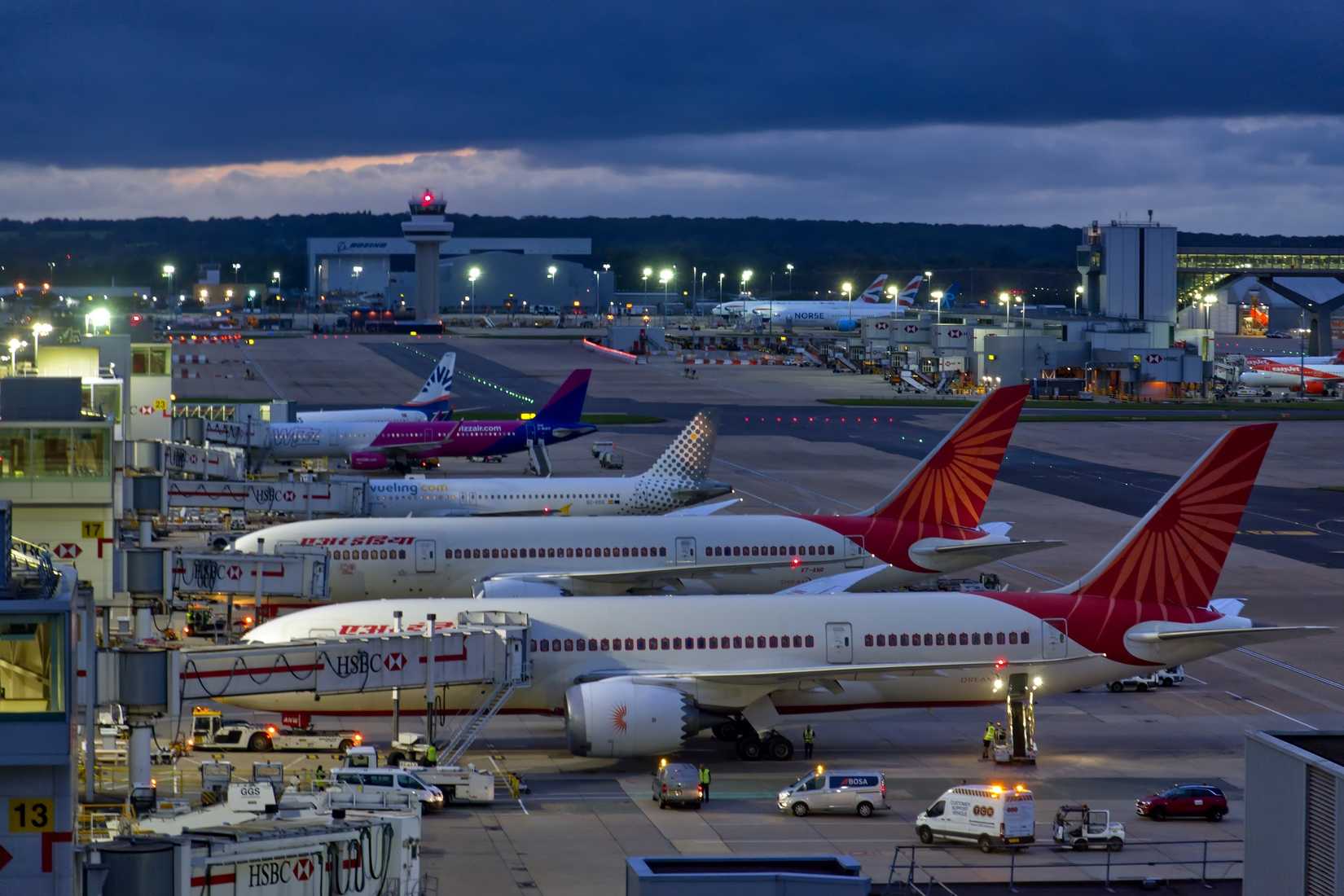
Over the past few years, the public transportation landscape relating to both of these facilities has changed quite significantly. The introduction of the Elizabeth Line is a major factor affecting how easy it is for business travelers to get to and from the airport. Previously, London Gatwick Airport and London Heathrow Airport were connected to the city’s core business districts with roughly the same efficiency (if not Gatwick actually being a little better connected).
It should be noted that the introduction of the Elizabeth Line service meant that Heathrow was directly connected to both the City of London (the city’s traditional financial district) and Canary Wharf (the city’s new financial district). This made the airport the go-to facility for business travelers to and from London.
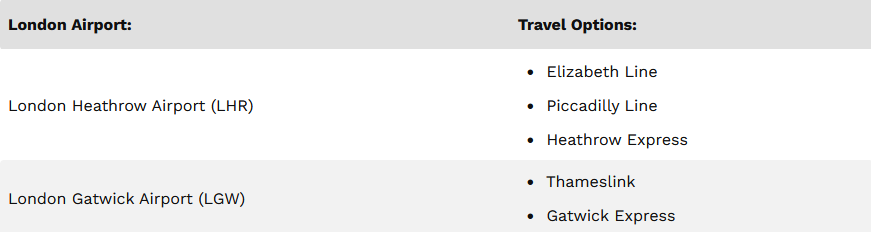
While this is beneficial for travelers looking for connectivity, it reduces the efficiency and convenience of using Gatwick for business travelers. This is one of the core demographics which Delta Air Lines is looking to target with this service.
So What Is The Bottom Line?
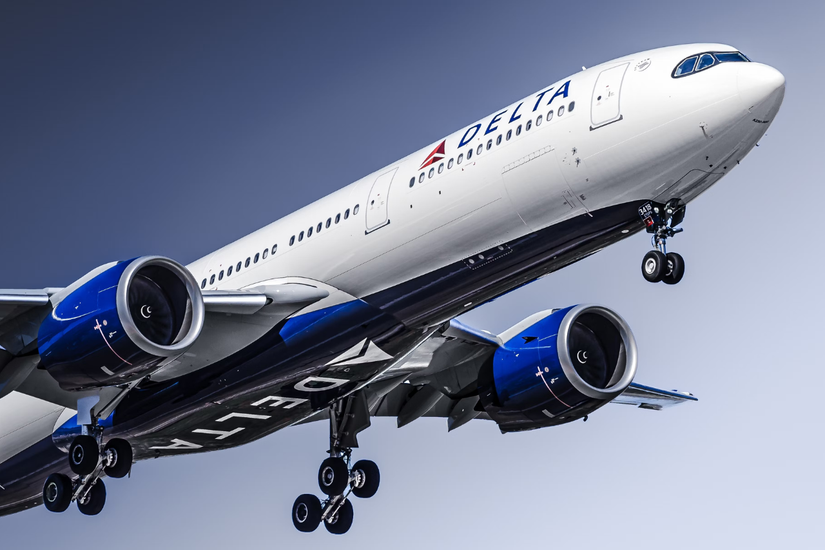
We see a decline in demand for travel between New York-JFK and Gatwick as the key reason Delta Air Lines has elected to cancel this seasonal service. These kinds of services, especially those which operate at secondary hubs like Gatwick, often operate on extremely thin profit margins.
This tends to put them squarely in the marginal category for airline route performance, which makes them a quick choice for the chopping block when conditions turn south. Airlines like Delta also need to balance the need to maintain premium-oriented network growth in situations where business travelers are less interested in a particular route.
This tends to push airlines like Delta to withdraw from markets where margins are thin and strategic alignment is weak. As a premium-oriented carrier, it makes quite a lot of sense that Delta made the decision to withdraw from the JFK-LGW route.
Credits: Delta Air