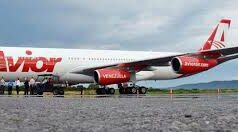

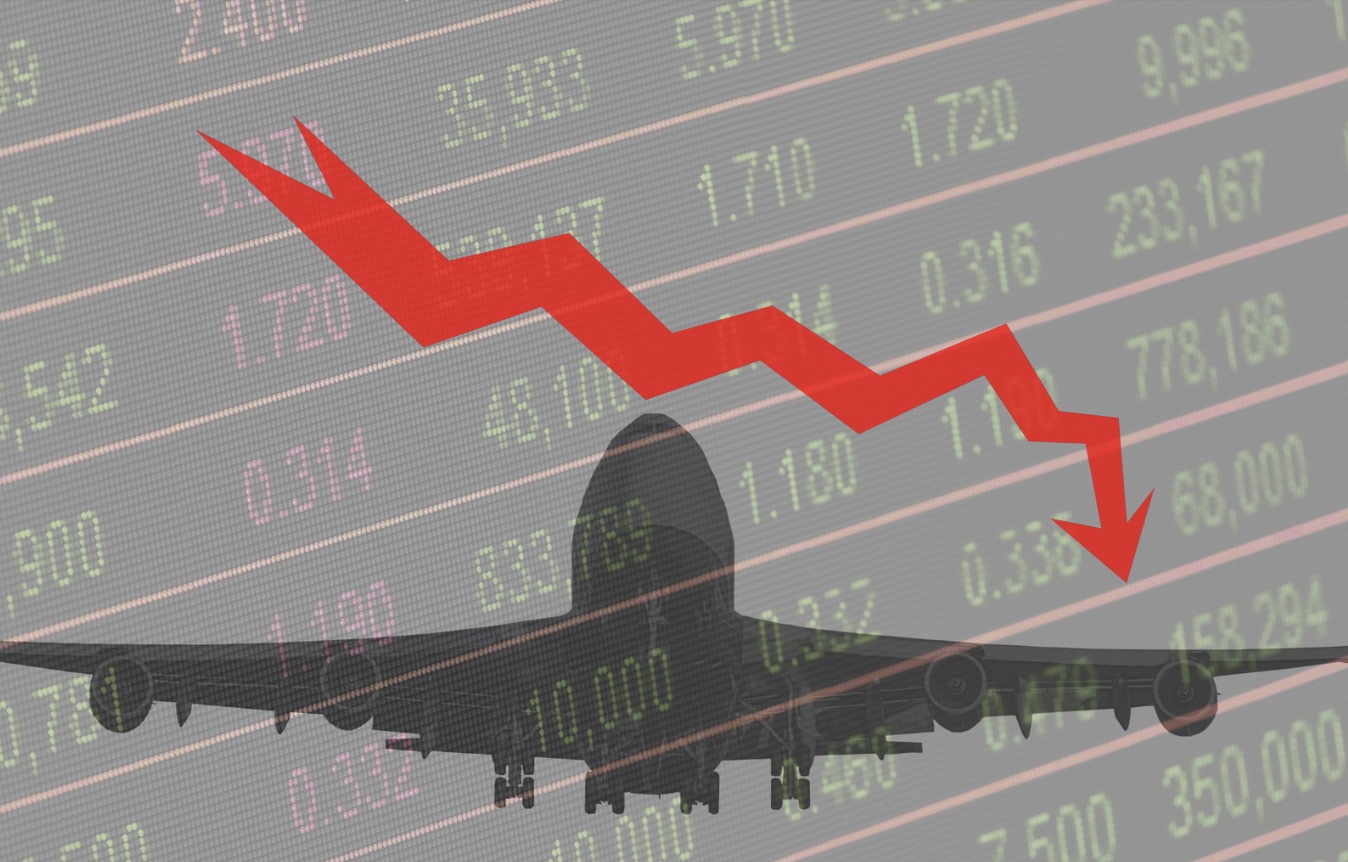
The political and military crisis unfolding in Venezuela is already affecting global airlines through flight disruptions, airspace restrictions and changes in fuel price dynamics, according to a recent note by analysts at Jefferies.
The U.S. military operation in Venezuela, which included the capture of President Nicolas Maduro during a large-scale raid in Caracas, led to immediate aviation impacts across the Caribbean region.
Following the operation, the Federal Aviation Administration imposed temporary flight restrictions, prompting widespread cancellations. Hundreds of flights in the Caribbean were canceled, including more than 300 flights originating from or arriving in Puerto Rico, the brokerage said.
Delta Air Lines said it began canceling Caribbean flights early Saturday to comply with FAA airspace closures, while Southwest Airlines disclosed that trips to Aruba, the Dominican Republic and Puerto Rico were canceled or diverted.
The disruptions affect a region that contributes a meaningful share of passenger revenue for major U.S. carriers.
Jefferies said Latin America accounts for 13% of American Airlines’ 2025 passenger revenue, 10% for United Airlines and 8% for Delta.
The cancellations and diversions linked to the Venezuela operation underscore how geopolitical instability in the region can directly interrupt airline schedules and revenue flows.
Fuel prices represent another channel through which the Venezuela crisis is influencing airlines. The brokerage said Brent and WTI crude oil prices declined about 21% in 2025, contributing to lower fuel costs for carriers. Brent crude was trading at about $60 per barrel at the time of the report.
Venezuela holds about 303BB barrels of crude, the largest proven oil reserves in the world, but produces only about 1MM barrels per day, or roughly 0.8% of global crude output, due to sanctions, economic conditions and limited investment in infrastructure.
Jefferies said oil price movements tied to developments in Venezuela are closely watched by airlines because fuel remains one of their largest operating costs. For 2026, the brokerage assumes an average oil price of about $62.40 per barrel, compared with about $70.20 in 2025 and $81.20 in 2024.
The analysts said each 5% change in estimated average fuel cost per gallon in 2026 would have a material effect on airline earnings, ranging from about 5% to 10% for Delta, Southwest and United, and about 20% for American Airlines.
Beyond fuel and airspace restrictions, the crisis has added operational uncertainty across Caribbean and Latin American air routes.
The FAA restrictions and airline responses illustrate how military activity can quickly alter flight paths and schedules, even outside the immediate conflict zone. Jefferies said the initial effects are “largely focused on airlines” due to cancellations and oil price movements.
Credit: Investing.com