
The figures were shared by Minister of State for Civil Aviation Murlidhar Mohol as part of a written reply to the Lok Sabha on Thursday. Air India and Air India Express together posted a loss before tax of Rs 9,568.4 crore in the financial year ended March 2025, according to the civil aviation ministry. In the last fiscal, Akasa Air and SpiceJet recorded a loss before tax of Rs 1,983.4 crore and Rs 58.1 crore, while IndiGo reported a profit before tax of Rs 7,587.5 crore.
The figures were shared by Minister of State for Civil Aviation Murlidhar Mohol as part of a written reply to the Lok Sabha on Thursday. These are provisional figures.
Credit: Air India Express
More info…
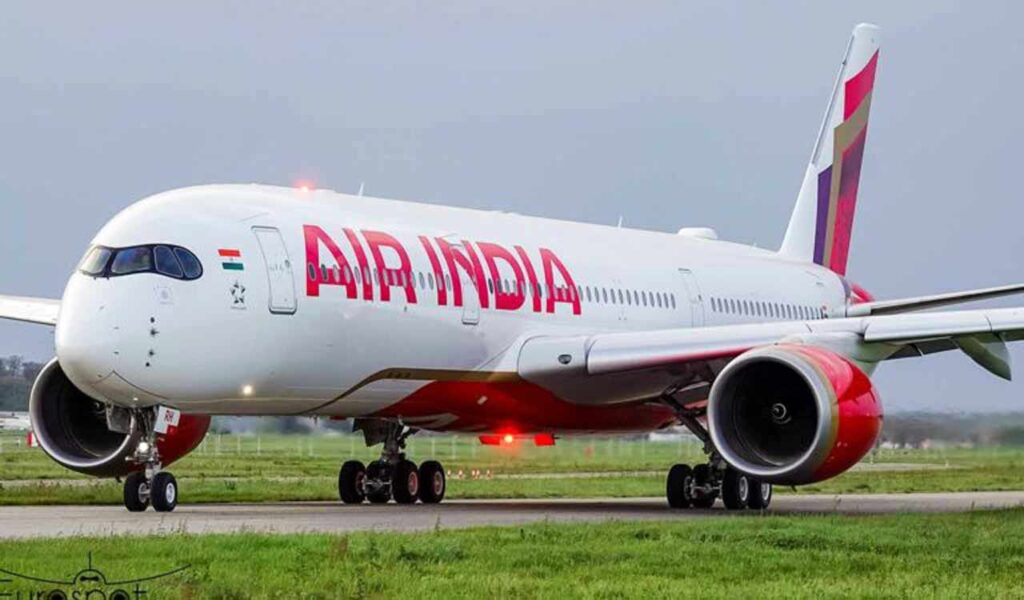
In 2025, Air India faces significant operational and structural challenges amid its ambitious transformation under Tata Group ownership. A devastating Boeing 787 crash in Ahmedabad on June 12, 2025, killed 260 people, intensifying scrutiny on the airline’s safety record. The preliminary investigation pointed to fuel switches being manually turned off, raising questions about pilot actions or technical glitches, with ongoing probes yet to provide closure. This incident led to a 15% reduction in international flights until mid-July, extended safety inspections on the Boeing 787 fleet, and the suspension of Delhi-Washington, D.C. flights from September 2025 due to fleet constraints and airspace restrictions, including Pakistan’s airspace closure, which increases fuel costs and route complexity.
Operationally, Air India struggles with an aging fleet, with 43 of its 190 aircraft over 15 years old, causing delays and lower utilization, particularly on long-haul routes. A $400 million retrofit program for 67 planes, delayed by supply chain issues and labor shortages, aims to modernize cabins but won’t be completed until 2026. Recent incidents, including a technical glitch stranding passengers in Raipur and an emergency landing in Chennai, highlight persistent maintenance and operational inefficiencies.
Structurally, India’s aviation sector, including Air India, faces a severe shortage of skilled personnel. A parliamentary review flagged understaffing at the Directorate General of Civil Aviation (DGCA), with only 553 of 1,063 posts filled, and fatigued, undertrained air traffic controllers, posing safety risks. Pilot shortages, projected to reach 50,000 globally by 2025, and high training costs further strain operations. Infrastructure constraints, such as overcrowded metro airports like Mumbai, handling over 45 flights per hour on a single runway, exacerbate delays and safety concerns.
Geopolitical tensions, including Middle East conflicts, have forced route adjustments, increasing costs and delays. Air India’s reliance on foreign maintenance, repair, and overhaul (MRO) facilities, due to India’s weak domestic MRO ecosystem, raises costs and downtime. Financially, the airline reported a $520 million loss in 2023-24, despite a 30% domestic market share, compounded by high aviation fuel taxes and debt from its 2022 acquisition.
Despite these challenges, Air India is investing in fleet renewal with 474 new aircraft orders, including A350s for long-haul routes, and has introduced onboard Wi-Fi. CEO Campbell Wilson emphasized enhanced safety protocols and training at the Air India Training Academy, aiming to restore operations by October 2025. However, rebuilding consumer trust and overcoming systemic issues will require sustained effort, with rivals like IndiGo potentially capitalizing on Air India’s setbacks.
Credit: Grok