
Skift Take
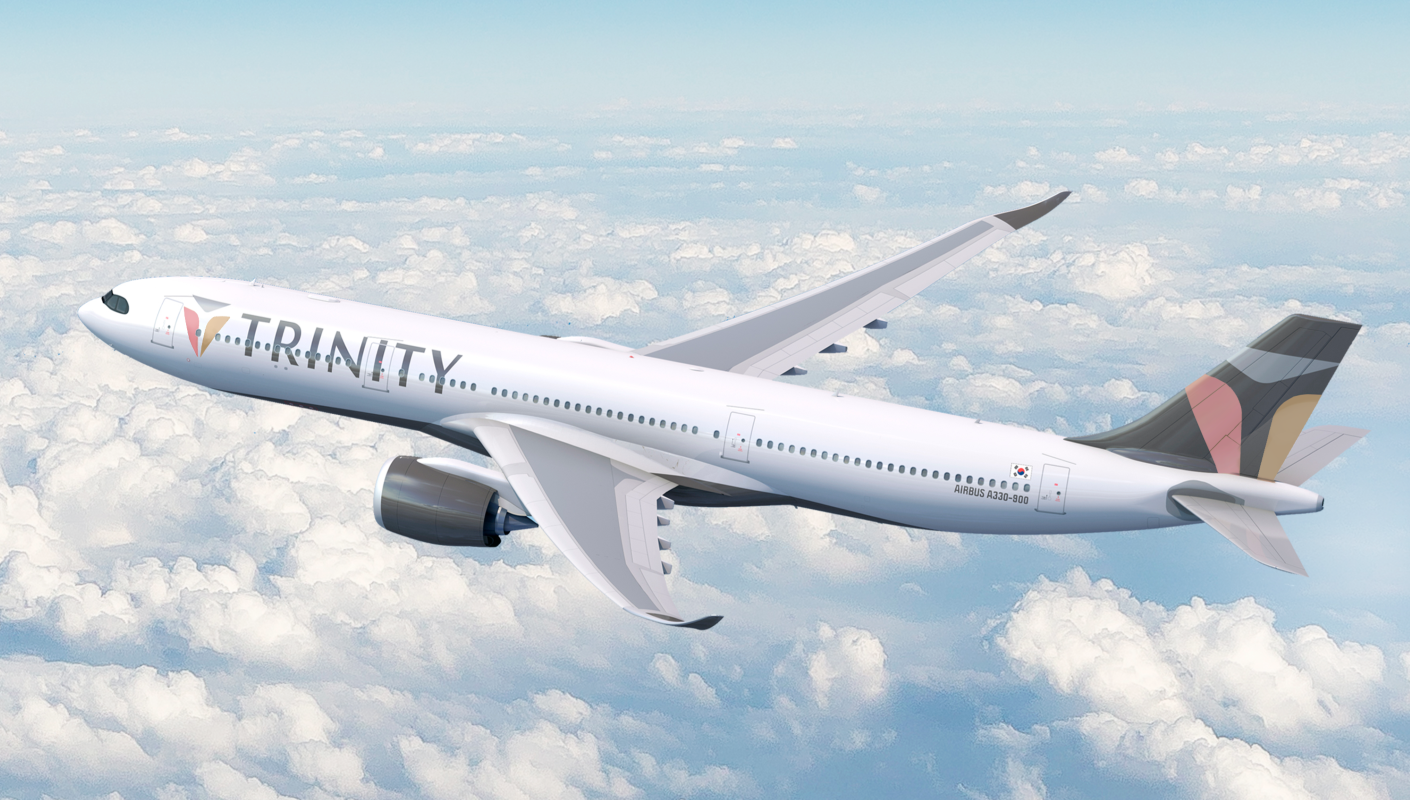
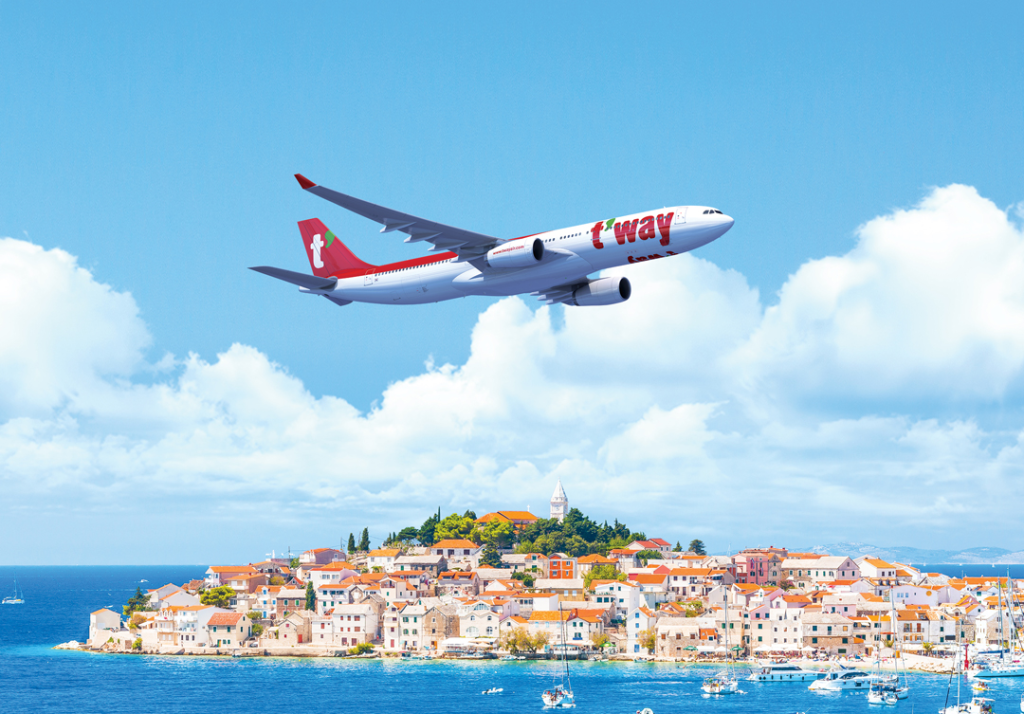
The move by Sono signals an ambitious pivot from a no-frills airline to an integrated travel platform, closely tied to the sprawling hospitality empire of its new parent company. T’way Air, South Korea’s second-largest low-cost carrier, is getting a new name and mission. Now under the ownership of the Sono Hospitality Group, the airline will rebrand as Trinity Airways.
Sono is already one of South Korea’s largest resort and leisure operators. The identity shift, announced Tuesday, aims to align the airline with Sono’s wider ambitions to become a vertically integrated business that connects flights, hotels, and other travel products.
In February, Sono acquired management control of T’way Air for 250 billion won ($175 million). The deal was finalized in June.
The Trinity Airways name stems from trinitas, the Latin word meaning three-in-one. It’s a nod to the group’s attempt to unify air, lodging, and leisure into a single ecosystem. Sono describes Trinity as “a symbolic starting point where various sectors of the hospitality industry converge to create new synergies.”
In practical terms, this will mean a full rebranding – including a new aircraft livery and redesigned brand identity – starting in early 2026. It will be accompanied by a unified membership program and customized travel packages, both aimed at creating cross-sell opportunities between the airline and Sono’s existing businesses.
With over 10,000 hotel rooms in South Korea and international assets – including Paris’ Dame des Arts and Washington D.C’s Normandy Hotel – Sono is hoping to better position itself to own the traveler experience from takeoff to check-in.
Earlier this year, it divested its stake in long-haul carrier Air Premia to concentrate efforts and resources on T’way.The Competitive Context The development comes at a busy time for the country’s airline industry. Flag carrier Korean Air is in the process of integrating former full-service rival Asiana Airlines after a drawn-out merger. The deal also included several low-cost subsidiaries.
Unlike the aviation-first synergies of Korean Air’s parent Hanjin or Asiana’s former owner Kumho Asiana Group, Sono is leading with hospitality and pulling air travel into its orbit.
It also reflects a broader trend, with a blurring of the lines between airlines and traditional hospitality businesses, particularly as travel companies search for new revenue streams and greater control of the customer journey.
In recent years, major carriers including British Airways, Qantas, and Turkish Airlines have ramped up their vacation businesses, offering packages and high-margin ancillary services.
Despite the opportunities, the challenges for Sono are numerous. Among the biggest tasks will be turning a historically price-sensitive carrier into a brand that can carry the premium weight of an integrated travel lifestyle company without alienating its existing cost-conscious customer base.
It remains to be seen if Trinity will move more upscale to more closely mirror Sono’s accommodation offering. At least initially, Trinity will compete in the busy budget airline space dominated by operators with ties to legacy conglomerates but which lack a comparable hospitality-led strategy.
From Budget Carrier to Brand Platform
T’way began as Hansung Airlines in 2004 and rebranded in 2010. In the years that followed, it became known for its no-frills service and affordable fares, flying routes from South Korea to Japan, China, and other Asia-Pacific destinations.
As part of the regulatory approval process for the Korean Air-Asiana merger, T’way was awarded several European routes. The antitrust watchdog in Brussels said a new entrant was required in the passenger market to take on overlapping routes and enhance post-merger competitiveness.
T’way now serves Rome, Barcelona, Frankfurt, and Paris nonstop from Seoul. Other long-haul destinations could follow has the new business plan takes shape.
Trinity Airways is a test case of a hotel-led company venturing into aviation not just for logistics, but as a core pillar of its consumer brand. If successful, it could set a precedent for regional hospitality groups looking to capture more consumer spend and challenge traditional boundaries.
While the ambition is clear, the transition won’t be simple. It’ll take more than a rebrand for Sono to turn Trinity into a compelling gateway to its wider portfolio.
Credit: skift