

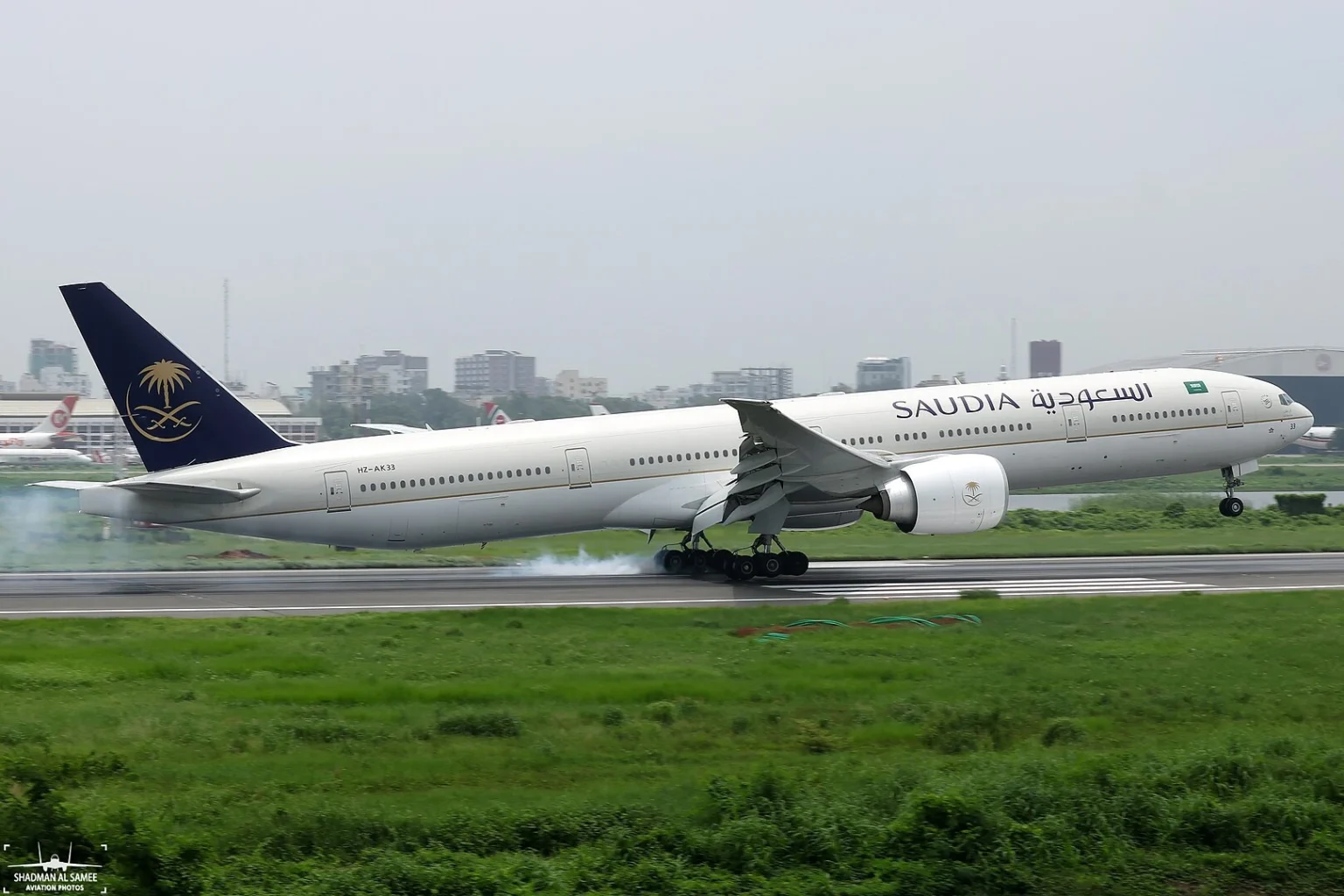
ISLAMABAD- Saudi Airlines (SV) flight SV728 pilots avoided a major runway incident at Islamabad International Airport (ISB) after an air traffic controller stopped the aircraft from landing on a runway closed for repairs.
The flight had arrived from Jeddah and was moments away from touching down on the wrong runway when the controller intervened.
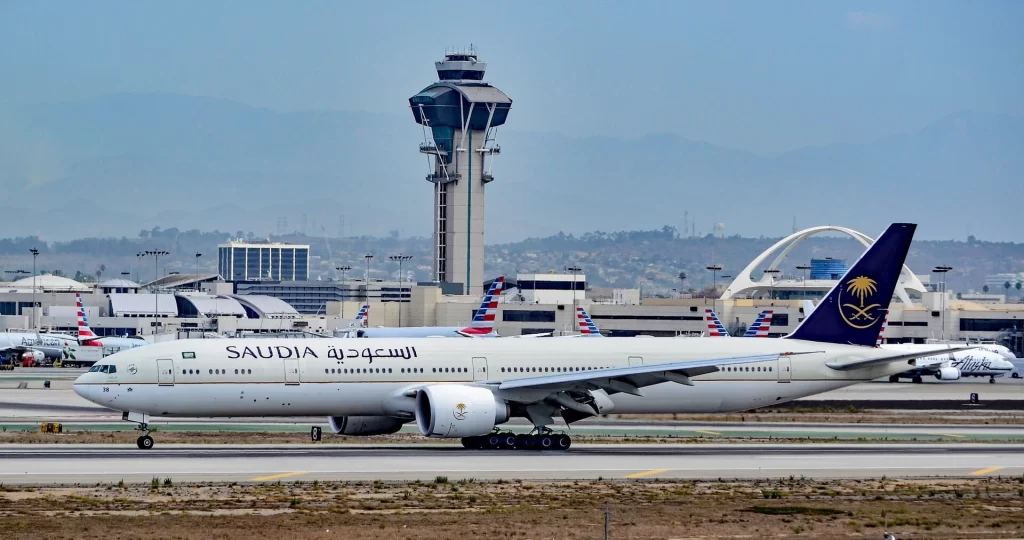
Saudia 777 Landing on Closed Runway
The aircraft approached Runway 28 Left, which had been closed for maintenance under an active NOTAM issued by the Pakistan Airports Authority.
Runway 28 Right was the only available landing option at the time. Despite the advisory, the Boeing 777 continued its approach toward the closed surface that had vehicles and maintenance crews working on it.
The controller monitoring the final approach quickly recognised the misalignment and warned the crew that they were heading toward the wrong runway.
The pilot initially maintained that the aircraft was aligned with the correct runway, creating a brief but critical communication challenge. The controller issued an immediate instruction to discontinue the approach, prompting the pilot to execute a go-around.
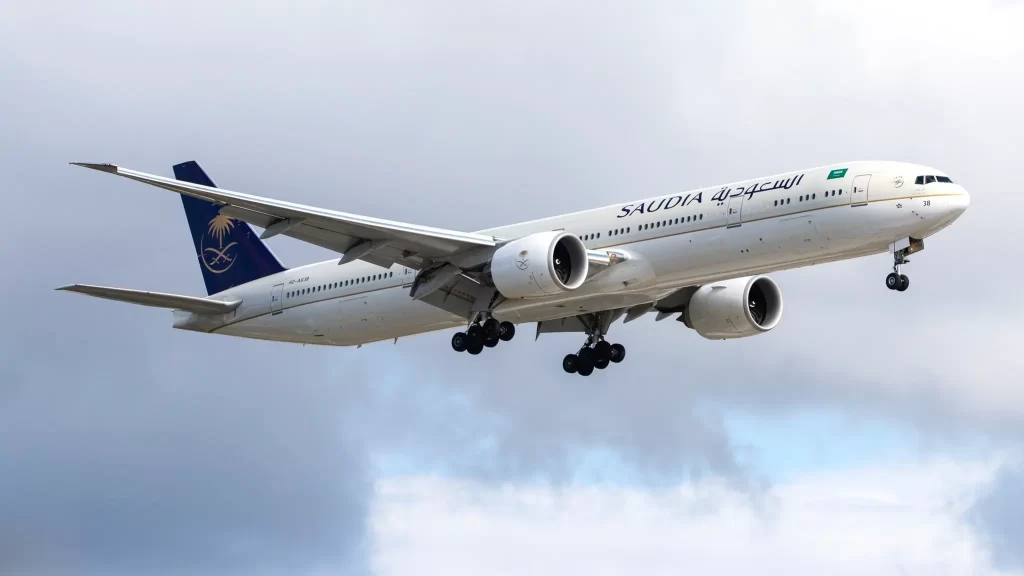
On the second approach, the crew aligned with Runway 28 Right and completed a safe landing. The aircraft, carrying hundreds of passengers, taxied to the apron without further issues.
The Pakistan Airports Authority has acknowledged the occurrence and is reviewing the sequence of events to assess procedural compliance.
NOTAM Compliance
The NOTAM had clearly outlined the closure of Runway 28 Left for scheduled repairs. Standard protocol requires flight crews to review NOTAMs before departure and brief them during the descent phase.
Misinterpretation or failure to apply these notes can result in serious hazards, particularly when personnel or vehicles occupy the affected runway.
Air traffic control intervention proved decisive in this case. Controllers rely on surveillance systems, visual checks, and procedural oversight to detect deviations. Their prompt action prevented a high-risk situation involving ground workers and equipment on a closed runway surface.
Runway misidentification remains a critical safety concern in global aviation. Clear markings, correct lighting, real-time communication, and strict adherence to NOTAMs are central to reducing operational risk. Airlines routinely update crew training to reinforce situational awareness and cross-verification during approach.
Investigations into such events help identify whether gaps emerged in pre-flight preparation, cockpit resource management, or airfield clarity. Lessons from these findings often shape future safety guidelines.
The Pakistan Airports Authority has taken formal notice of the incident. The review will examine controller actions, crew communication, and compliance with published advisories. Findings typically inform procedural improvements or operational reminders for both air traffic services and operators using the airport.
Similar Incident
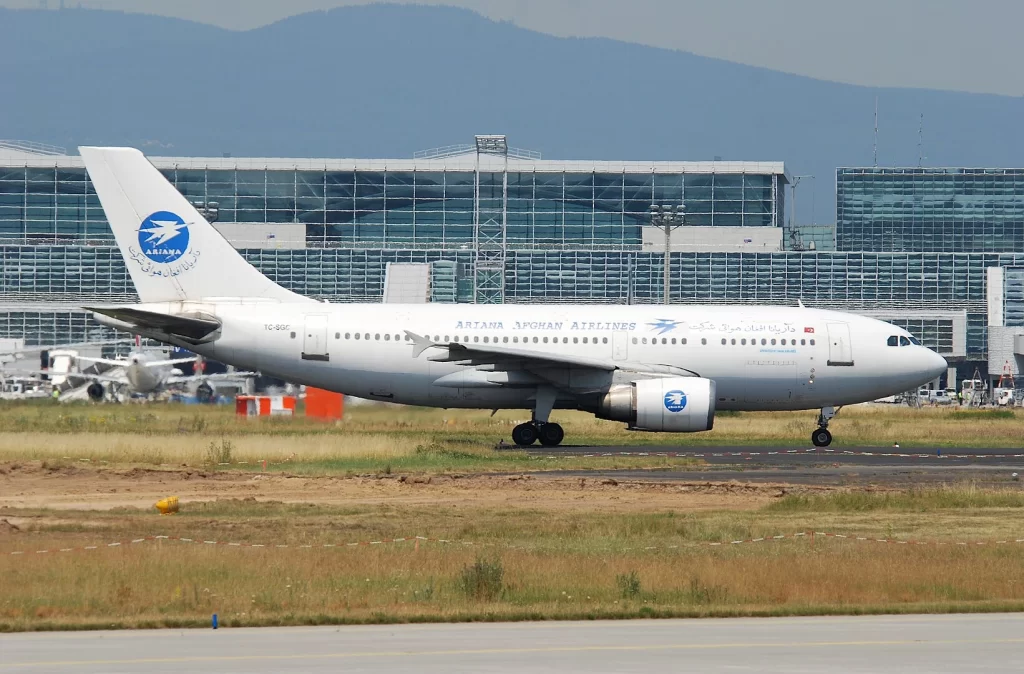
Ariana Afghan Airlines (FG) flight FG 311 from Kabul (KBL) landed on the wrong runway at Indira Gandhi International Airport (DEL), creating a near-collision risk with an aircraft already accelerating for takeoff. The aircraft had clearance for runway 29L but touched down on 29R during low visibility conditions.
Investigators from the DGCA have confirmed that the crew lost Instrument Landing System guidance on approach, forcing a visual landing at close range. The event is now under detailed review to determine the source of the navigation failure and assess ATC response.
Investigation Focuses on Navigation Failure
The Ariana Afghan Airlines A310 was cleared for runway 29L during its approach to Delhi. About four nautical miles from the runway, both ILS receivers reportedly failed, according to the crew. With no lateral guidance, the aircraft drifted off its assigned path while the pilots attempted a visual alignment in challenging weather.
ATC logs show that FG 311 acknowledged the 29L landing clearance. Despite this, the aircraft lined up with runway 29R, where another aircraft had just begun its takeoff roll. The situation created a serious safety risk, avoided only because of timing and spacing.
After landing, the crew informed investigators that the lack of ILS cues prompted an unintentional deviation. They also said they did not receive alerts from the tower about the misalignment during final approach.

ATC Recordings and Flight Data Under Review
DGCA investigators are now analyzing cockpit data, navigation system logs, and ATC recordings to determine whether the ILS malfunction stemmed from an onboard fault or external interference.
The review will assess procedural compliance, decision-making by the crew, and real-time monitoring by controllers.
Officials note that any navigation failure beyond the final approach fix carries elevated risk, particularly at high-traffic airports like Delhi. The transition from an instrument-guided approach to a visual landing in low visibility is considered a complex task that requires strict oversight.
Importance of Reliable ILS at Busy Airports
ILS provides the precise vertical and lateral guidance needed for safe runway alignment in low visibility. Any interruption disrupts glidepath and localizer cues, increasing the chances of runway deviation.
Incidents like this reinforce the need for strong redundancy in aircraft navigation systems and proactive ATC intervention when deviations occur.
The DGCA plans to audit the aircraft’s systems, review ATC coordination, and evaluate whether additional safeguards are necessary for operations during low visibility at Delhi.
Stay tuned with us. Further, follow us on social media for the latest updates.
Source: aviationa2z.com